
 English
 Pусский
 العربية
 Tiếng Việt
Diferencias entre elevadores de cangilones de deshidratación y elevadores de cangilones estándar
Sure — here is a 500-word English description about the differences between dewatering bucket elevators and standard bucket elevators, with no company names mentioned:--- Differences Between Dewatering Bucket Elevators and Standard Bucket ElevatorsBucket elevators are widely used in industries that need to move bulk materials vertically or at a steep incline. Although dewatering bucket elevators and standard bucket elevators may look similar at first glance, they are designed for different operating conditions and perform different functions. Understanding their differences is important when selecting the right equipment for a specific application.A standard bucket elevator is mainly used to transport dry, free-flowing materials such as grains, seeds, fertilizers, sand, cement, or other granular products. Its primary purpose is vertical lifting. Material is loaded into buckets at the bottom of the elevator, carried upward by a belt or chain, and then discharged at the top. Standard bucket elevators are designed to maximize lifting efficiency and reduce product degradation during transport. They are generally used in industries where the material contains little or no moisture.In contrast, a dewatering bucket elevator is specifically designed to handle wet, washed, or moisture-containing materials. Its main function is not only to lift the material but also to remove excess water during the conveying process. These elevators are commonly used after washing operations in food processing, recycling, mining, and waste treatment industries. For example, they may be used to move vegetables, fruits, plastic flakes, metal scrap, or mineral materials that have just been washed.One of the most important differences is the design of the buckets and structure. Standard bucket elevators usually have simple buckets optimized for smooth material flow. Dewatering bucket elevators often feature perforated buckets, drainage holes, or open structures that allow water to escape as the material is lifted. The elevator casing may also include drainage channels or collection systems to separate liquid from solid material. This makes the dewatering type more suitable for wet applications.Another difference lies in the materials of construction. Since dewatering bucket elevators work in wet and often corrosive environments, they are typically built with corrosion-resistant materials such as stainless steel or specially coated components. Standard bucket elevators may use carbon steel or other materials depending on the product being handled, because they are usually used in drier environments with less risk of corrosion.The operating speed and capacity can also differ. Standard bucket elevators are often designed for steady, continuous lifting at high efficiency. Dewatering bucket elevators may operate at slightly different speeds to give water enough time to drain from the material while it is being conveyed. In some cases, the lifting process itself contributes to a partial drying effect, so the machine may be integrated into a larger washing and processing line.Maintenance requirements are another distinction. Standard bucket elevators generally require regular inspection for wear, alignment, and material buildup. Dewatering bucket elevators may need additional cleaning because wet materials can cause residue, clogging, or corrosion if not properly managed. Proper drainage and easy access for maintenance are especially important in dewatering systems.In summary, while both types of elevators are used for vertical material handling, they serve different purposes. Standard bucket elevators are best for dry bulk materials and efficient vertical transport. Dewatering bucket elevators are designed for wet materials and include features that help remove moisture during lifting. Choosing between them depends on the nature of the material, the moisture level, and the requirements of the production process.---If you want, I can also make this into:1. a more technical version, 2. a simpler version for website use, or 3. a SEO-friendly article with headings and keywords.
Producto
Categoría:
-
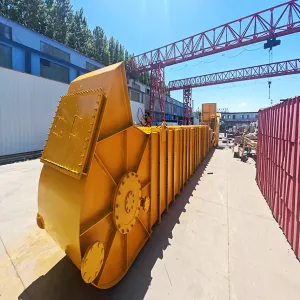
Elevador de cangilones deshidratador
Su clasificación: Equipo de transporteVistas: 149Número:Tiempo de liberación: 2026-07-07 10:02:43Un elevador de cangilones deshidratador es una máquina transportadora continua especializada diseñada para elevar y deshidratar simultáneamente materiales a granel que contienen un contenido significativo de humedad. Este equipo combina la función de elevación vertical de un elevador de cangilones convencional con capacidades integradas de drenaje y deshidratación, lo que lo hace particularmente valioso en aplicaciones donde los materiales deben transportarse verticalmente y liberarse del exceso de agua. El elevador de cangilones deshidratador representa una evolución de la tecnología de eleva...
Noticias
Categoría:
¡Sin resultados de búsqueda!
Caso
Categoría:
¡Sin resultados de búsqueda!
Video
Categoría:
¡Sin resultados de búsqueda!
Descargar
Categoría:
¡Sin resultados de búsqueda!
Reclutamiento
Categoría:
¡Sin resultados de búsqueda!
Productos recomendados
¡Sin resultados de búsqueda!



 Whatsapp
 Teléfono